The problem
Today we are in a world where everything is connected. In the manufacturing industry, it is important to have equipment capable of communicating together in order to better organize tasks. We want to have automated equipment to facilitate the work of the human operator. When manufacturing products, a reliable process with detailed production monitoring is required to ensure quality for customers.
The machines have defects that can lead to large sums to repair them but also costs related to the delay in production. It is therefore necessary to monitor production in order to ensure the smooth running of the process. The goal is to be able to intervene and stop the production process if a defect is found, to reduce breakage and therefore repair costs. This is why we must be able to predict the defect in order to correct it before it is visible.
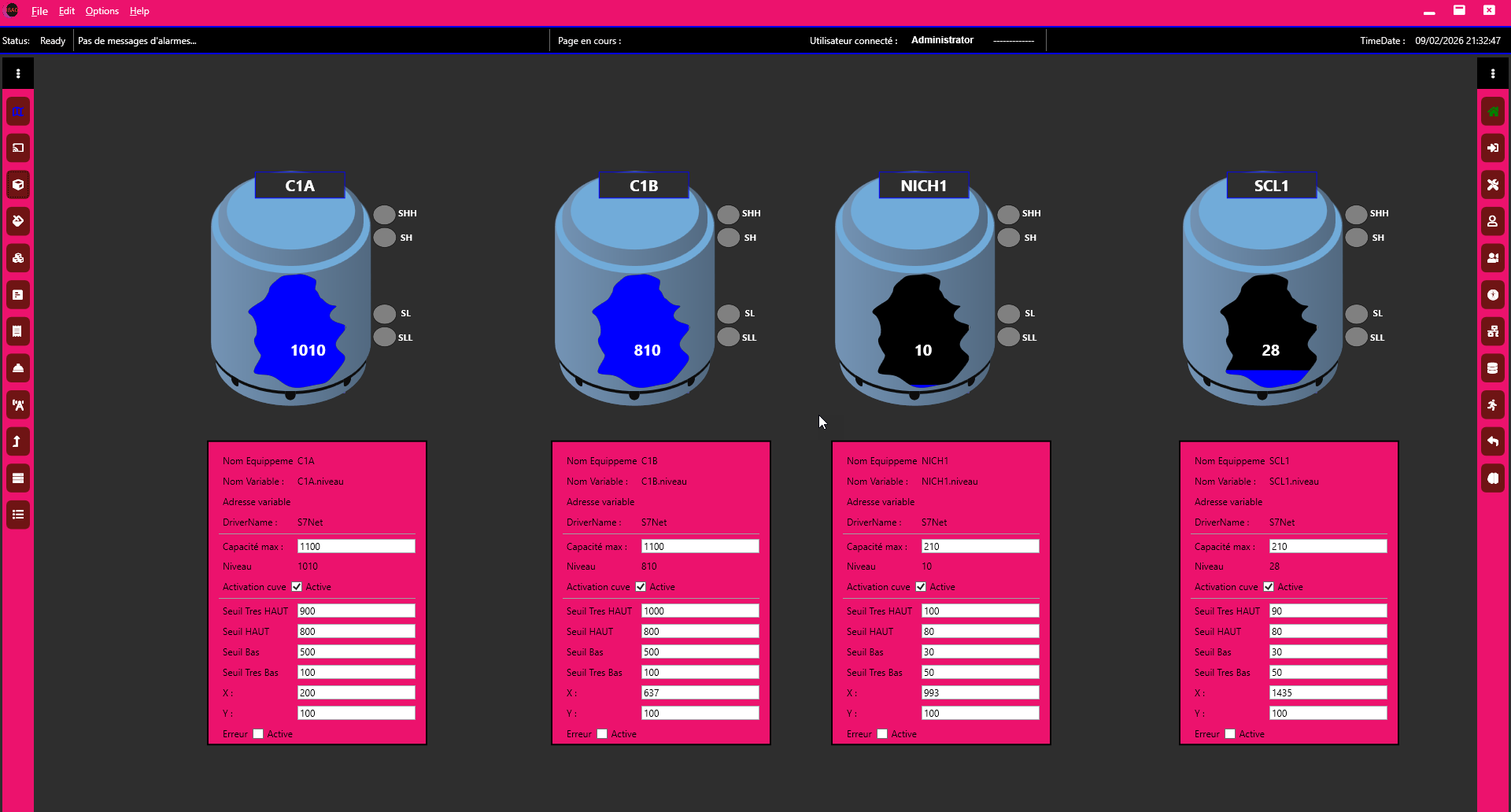
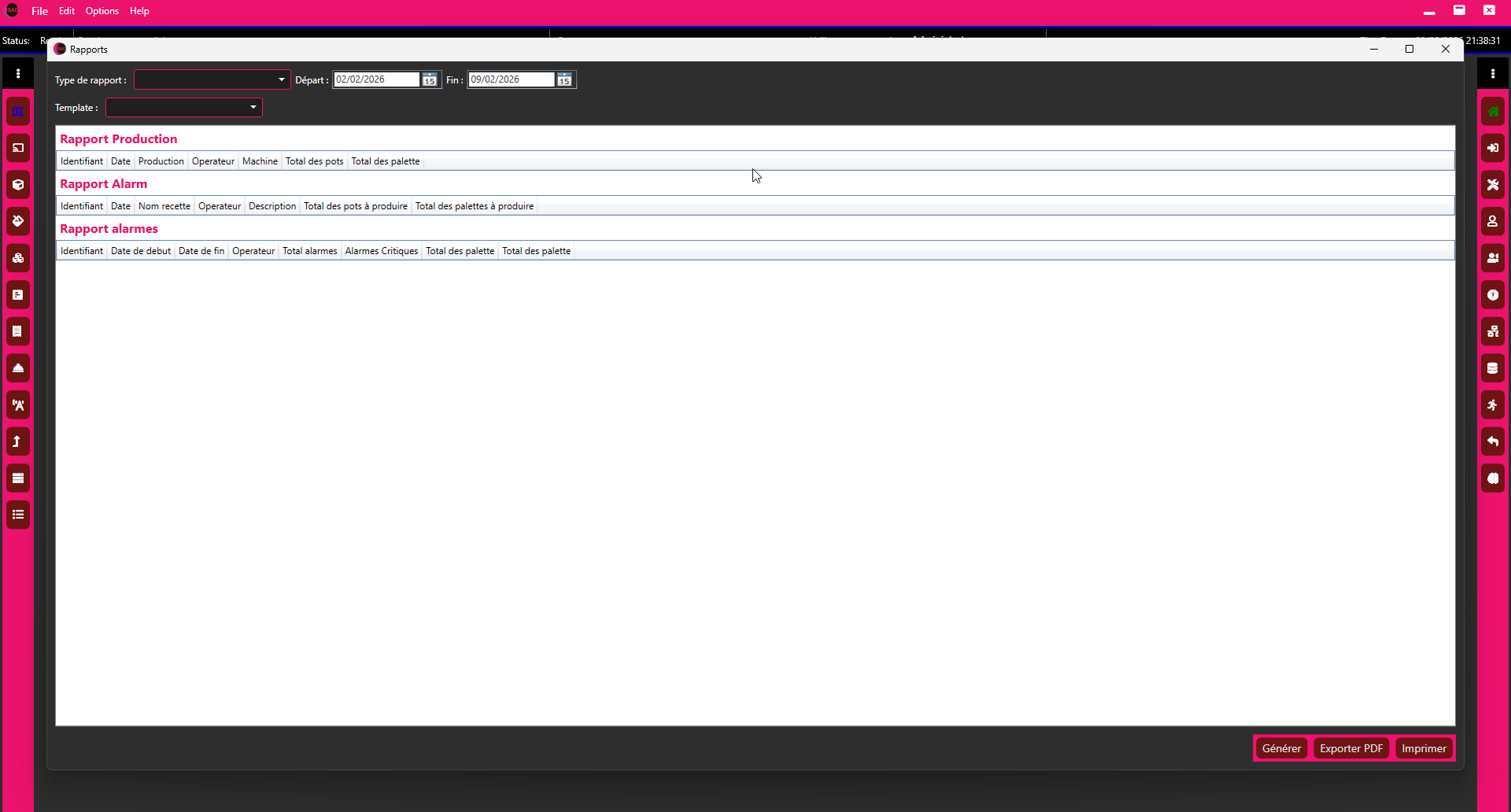
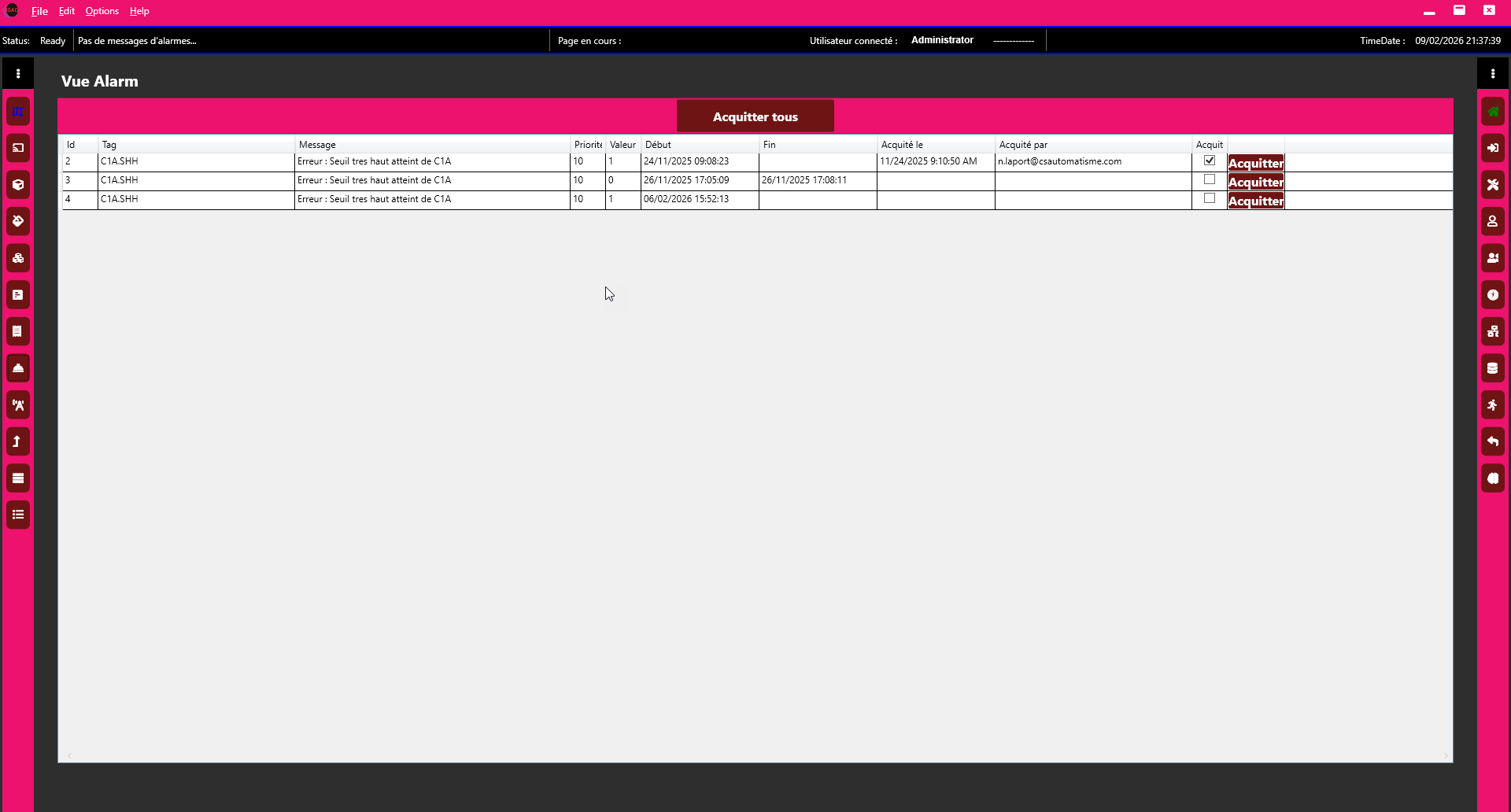
With industry 4.0 Industrie 4.0 today we are able to have an automated manufacturing follow-up thanks to the communication between machines. We are able to group the control of all machines on an interface connected to the enterprise network. We are talking about SCADA supervision and control. SCADA
This technique has allowed us to take a big step forward on the control and supervision of the industrial process, it is not totally risk-free hence the presence of the human operator to make decisions. The machine informs about the state of the process and the operator decides what to do. However, the human being is not perfect, he can also make mistakes or respond to a problem later. The methods proposed today in the manufacturing sector are insufficient to guarantee a 100% yield.
These methods depend on the human operator’s ability to react, as they do not provide sufficient decision-making assistance. At best, this forces the company to assign an engineer with advanced skills.